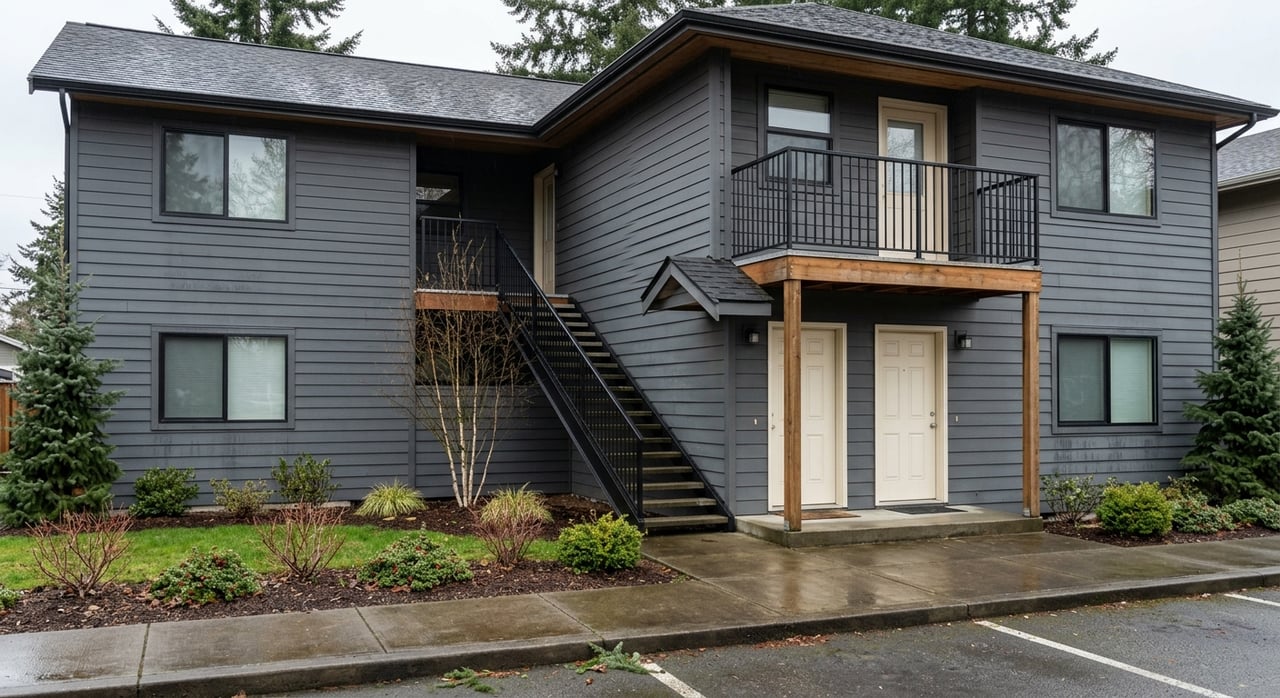
If you have been thinking about buying a duplex, triplex, or fourplex in East Anchorage, you are not alone. Small multi-family properties can offer a way to live in one unit, rent the others, or build income over time, but they also come with extra questions about zoning, maintenance, rents, and day-to-day operations. In this guide, you will learn what to watch for in Northeast Anchorage, which numbers matter most, and how to start with more confidence. Let’s dive in.
Why small multi-family matters here
Small multi-family properties make sense in East Anchorage for a few reasons. The area has long had a strong residential base, and the East Anchorage planning documents note a higher renter share than Anchorage overall, along with a mix of older housing that may need renovation or redevelopment. You can review that context in the East Anchorage District Plan.
There is also a broader policy reason this property type keeps coming up. Anchorage 2040 land-use planning supports more compact housing types, including attached homes and small multi-family buildings, especially near activity centers, transit, and commercial corridors. For buyers, that helps explain why duplexes and fourplexes remain relevant in this part of the city.
From a pricing standpoint, Northeast Anchorage also offers a useful entry point for many buyers. A March 2026 Realtor.com market snapshot for Anchorage reported a median listing price of $350,000 in Northeast Anchorage and a median monthly rent of $1,747. Those numbers do not guarantee what any one property will do, but they help frame the local market.
Start with your ownership plan
Before you tour properties, get clear on how you want the building to work for you. Your approach will shape what type of property makes sense, how much renovation risk you can take, and how you evaluate rents.
You might be looking for:
- A duplex where you live in one unit and rent the other
- A triplex or fourplex focused on income from day one
- A property with upside through repairs or better management
- A long-term hold with modest cash flow and future flexibility
That first decision matters because East Anchorage includes older housing stock, and some properties may need meaningful updates. If you want lower day-to-day complexity, a more functional layout and fewer immediate repair needs may matter more than squeezing out the highest possible rent projection.
Check zoning before you assume anything
One of the biggest mistakes buyers make is assuming a property’s current setup automatically matches what zoning allows. In Anchorage, the city specifically tells users to check MyNeighborhood and zoning district information, while noting that online summaries are only a summary and Land Use Review can verify a specific parcel.
That parcel-level step is important in East Anchorage. For example, R-2A and R-2D districts are primarily single- and two-family districts, while R-3 and R-4 are multi-family districts with different density allowances. If you are buying based on the current unit count, a future addition, or a conversion idea, you want that confirmed for the exact lot.
You also need to think beyond the label on the zoning map. East Anchorage planning analysis found that projects often build below the maximum density allowed because of setbacks, parking, access, site conditions, and market realities. In practice, that means the shape of the lot, snow storage, parking layout, and driveway access can matter just as much as the zoning category itself.
Evaluate the building like an owner
A small multi-family property is not just a rent roll. It is a building you will need to operate through Anchorage winters, tenant turnover, and ongoing maintenance.
When you walk a duplex or fourplex, pay close attention to the basics:
- Roof age and visible wear
- Heating system age and service history
- Plumbing and electrical updates
- Entry configuration and shared spaces
- Parking layout and snow removal access
- Storage, trash handling, and common-area upkeep
Layout matters more than many first-time investors expect. A property can look good on paper but still create headaches if entrances are awkward, shared areas are hard to maintain, or winter access is inefficient.
That matters because Alaska law requires landlords to keep premises fit and habitable and to keep common areas clean and safe. You can read that directly in Alaska Statute 34.03.100. For a Northeast Anchorage buyer, that means snow, ice, stairs, walkways, and common entries are not minor details.
Use realistic rent assumptions
Projected rents can make almost any small multi-family property look attractive if you are too optimistic. The better approach is to stress-test the numbers using local vacancy, turnover, utilities, and maintenance realities.
According to the Alaska Department of Labor and Workforce Development’s Anchorage rental market report, Anchorage’s rental vacancy rate was 5.6% in March 2025. The same report said rent plus utilities for a two-bedroom apartment averaged $1,680 in 2025, up about 4% from the prior year.
That tells you two things. First, demand has been active enough that the market is not especially loose. Second, you still need room in your numbers for vacancy, make-ready costs, utilities, repairs, and seasonal maintenance.
A simple way to pressure-test a deal is to ask:
- What rent is realistic for each unit today?
- What utilities are owner-paid versus tenant-paid?
- What vacancy rate will you budget for?
- What will turnover cost between tenants?
- How much will snow, exterior upkeep, and emergency repairs add?
In Northeast Anchorage, a market snapshot median rent can be a useful benchmark, but it is not a substitute for unit-by-unit analysis. A remodeled two-bedroom with practical parking may perform differently from an older unit with deferred maintenance or a less functional layout.
Know the rules before you self-manage
If you plan to manage the property yourself, you need a working understanding of Alaska landlord-tenant rules. This is not just about legal compliance. It also affects how smoothly your property runs.
For example, Alaska limits security deposits and prepaid rent to two months’ periodic rent unless the rent exceeds $2,000 per month, and an additional pet deposit of up to one month’s rent may be allowed. Those rules appear in Alaska Statute 34.03.070 and related deposit guidance.
Access rules matter too. Landlords generally must give at least 24 hours’ notice before entering a unit unless there is an emergency, and access cannot be abused or used to harass tenants. You can review that in Alaska Statute 34.03.140.
Move-out documentation is another area where small owners get tripped up. Alaska Law Help’s landlord-tenant FAQ notes that landlords have 30 days to provide an itemized accounting of security-deposit deductions. Clear records at move-in and move-out can protect both you and your tenants.
Fair housing and screening need consistency
Tenant screening should be relevant, consistent, and applied the same way to every applicant. That is not just a best practice. It is part of reducing risk and operating fairly.
The Alaska State Commission for Human Rights states that discrimination in the sale, lease, or rental of real property is illegal on protected bases. For a small multi-family owner, that means your screening criteria, communication, and application process should be clear, neutral, and consistently applied.
If you are new to landlording, this is one of the strongest arguments for building a process before you ever advertise the first vacancy. A written screening standard, organized documentation, and steady communication can help you operate more professionally from the start.
Understand taxes and owner-occupancy
Property taxes need to be part of your planning from the beginning. The Municipality of Anchorage states that property is generally assessed at full and true value as of January 1, tax notices are mailed by June 1, and taxes are due June 30 or may be paid in two installments. You can confirm those basics through the Municipality’s property appraisal page.
If you are considering house hacking a duplex or small multi-family property, ask early about owner-occupancy and exemption details. Anchorage offers a 40% residential exemption up to $75,000 of assessed value for qualified owner-occupied primary residences, according to the 2026 residential exemption application.
That does not mean every small multi-family property will qualify in the same way. If a property is fully rented, the owner-occupied exemption usually would not apply under those eligibility rules, so it is smart to verify your situation before closing.
Decide whether to hire a property manager
You do not have to self-manage just because the property is small. For many buyers, the better question is whether a local manager can help protect your time and improve operations.
Property managers commonly handle:
- Tenant screening
- Rent collection
- Maintenance coordination
- Inspections
- Emergency maintenance communication
- Move-in and move-out documentation
As a benchmark, many management companies promote services such as maintenance coordination and emergency response. In East Anchorage, practical experience with winter access, common-area upkeep, and timely repair coordination can be especially valuable.
A good manager can also help keep your procedures aligned with deposit rules, entry notice requirements, and habitability obligations. If you are buying your first duplex or fourplex, that support can be worth more than trying to learn every lesson the hard way.
How to shop smarter in Northeast Anchorage
When you compare properties, focus on the details that affect both livability and long-term performance. In East Anchorage, that usually means balancing price, condition, layout, parking, and realistic rent potential rather than chasing unit count alone.
A smart review should include:
- Parcel-level zoning verification
- A close look at access, parking, and snow storage
- Mechanical and structural condition
- Shared-area maintenance needs
- Unit-by-unit rent analysis
- Vacancy and turnover assumptions
- Management plan after closing
This is where working with an experienced local agent matters. Small multi-family purchases often require coordination across zoning research, inspections, rental context, repair questions, and your financing or management plan.
If you are exploring a duplex, triplex, or fourplex in Northeast Anchorage, Emma Shibe can help you evaluate neighborhood pricing, confirm the details that matter lot by lot, and guide you through the purchase with clear, local advice.
FAQs
What should you check first when buying a small multi-family property in East Anchorage?
- Start with parcel-level zoning, current unit count, building condition, parking, and realistic rent assumptions.
What rent data matters for Northeast Anchorage multi-family buyers?
- Useful local benchmarks include the Northeast Anchorage median monthly rent of $1,747 from Realtor.com and Anchorage’s 2025 average two-bedroom rent plus utilities of $1,680 from the Alaska Department of Labor report.
What vacancy rate should you keep in mind for an Anchorage rental property?
- Anchorage’s rental vacancy rate was 5.6% in March 2025, which is a helpful benchmark when stress-testing income and turnover assumptions.
What landlord rules matter for first-time small multi-family owners in Alaska?
- Key rules include habitability standards, common-area upkeep, limits on many security deposits and prepaid rent arrangements, 24-hour notice for most entries, and timely itemized deposit accounting after move-out.
What zoning districts may affect a duplex or fourplex in Anchorage?
- R-2A and R-2D are primarily single- and two-family districts, while R-3 and R-4 allow broader multi-family uses, but you should verify the exact parcel through Anchorage’s zoning resources.
What does a property manager usually handle for an East Anchorage rental property?
- A property manager often helps with screening, rent collection, inspections, maintenance coordination, emergency response, and move-in or move-out documentation.
