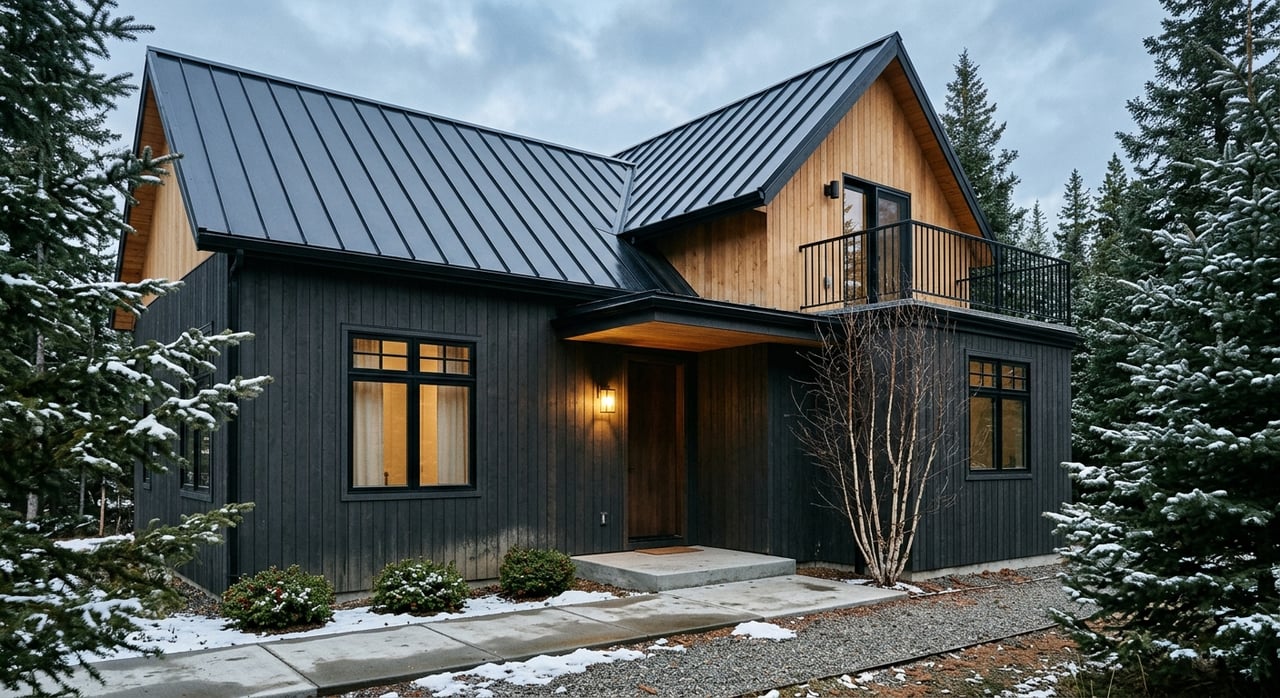
Buying a second home in Girdwood can feel exciting and a little complex at the same time. You may be picturing ski days, summer trail access, and a place that gives you an easy Alaska escape, but you also want to make a smart financial and lifestyle decision. The good news is that with the right evaluation framework, you can look past the dream and focus on what really matters. Let’s dive in.
Why Girdwood draws second-home buyers
Girdwood has a very specific appeal that is hard to replicate elsewhere in Southcentral Alaska. The community sits about 40 miles south of Anchorage, with roughly 2,000 year-round residents, and offers access to parks, trails, and a year-round recreation setting that continues to attract lifestyle buyers, according to the Municipality of Anchorage’s Girdwood parks and recreation overview.
For many buyers, the biggest draw is the location’s mix of convenience and outdoor access. Hotel Alyeska and Alyeska Resort anchor much of the area’s second-home demand, with the aerial tram, dining, ski access, and summer recreation all contributing to Girdwood’s appeal.
That four-season value matters when you evaluate a second home purchase. Girdwood is not just a winter destination. The Alyeska trail map highlights hiking, mountain biking, the bike park, and access from the tram to higher-elevation terrain, which helps explain why buyers often pay a premium for well-located properties.
Understand the local market first
Before you focus on a specific property, it helps to understand the broader market. Girdwood is a small community with limited housing supply, and recent data points all suggest a tight and relatively expensive market.
As of early 2026, Zillow reported an average home value of about $703,116 in Girdwood. The exact figure can vary by source and methodology, but the bigger takeaway is consistent: inventory is limited, prices are elevated, and buyers should expect competition for desirable homes.
In a market like this, your second-home decision should be based on more than just whether a home feels charming on first impression. You want to measure location, upkeep, intended use, and long-term fit so you can buy with confidence instead of emotion.
Start with your real use case
One of the best ways to evaluate a second home is to be honest about how you plan to use it. Will it be a personal getaway you visit a few weekends each month? Will it be a seasonal base for skiing and summer recreation? Or are you hoping it can serve both as a retreat and an occasional rental?
Your answer shapes everything else. A property that works well for frequent owner use may not be the same property you would choose if you want lower-maintenance ownership, easier lock-and-leave convenience, or flexibility for limited rental use.
This is especially important in Girdwood, where the housing stock is not one-size-fits-all. Municipal planning materials describe a mix of cabins, condos, townhomes, and smaller detached homes rather than a typical suburban housing pattern, which means your property type should match the experience you actually want.
Compare property types carefully
Different property types can support very different second-home goals. In Girdwood, that distinction matters because the area includes everything from more compact attached housing to detached homes with added privacy and maintenance responsibilities.
Condos and townhomes
If you want simpler ownership, condos and townhomes may be worth prioritizing. These property types can be a strong fit when your goal is lower upkeep, easier departures between visits, and a more straightforward second-home routine.
They can also align well with buyers who care most about proximity to base-area amenities and trail access. If your ideal trip involves arriving, getting outside, and spending less time thinking about exterior care, attached housing may offer practical advantages.
Cabins and detached homes
Detached homes and cabins often appeal to buyers who want more privacy, flexibility, or a more classic mountain-home feel. Older planning documents note common Girdwood housing styles such as A-frames, log homes, and cedar-sided homes, which is part of the area’s unique character.
That said, more space and separation usually come with more responsibility. You may need to think more carefully about snow management, winterization, exterior wear, and how much hands-on care the property will need when you are away.
Focus on location within Girdwood
In a second-home market, location is not just about resale value. It is also about how easy and enjoyable the property will be for the way you plan to use it.
A smart evaluation framework is to consider how close the home is to Alyeska, trail access, and base-area amenities, while also weighing maintenance needs and whether the property still makes sense if you mostly use it yourself. That practical lens fits what local market and planning sources suggest about how buyers tend to value Girdwood homes.
Ask these location questions
- How quickly can you get to Alyeska Resort and its base-area amenities?
- How easy is access to trails, parks, and recreation areas?
- Does the location support year-round use, not just winter visits?
- Will the setting still feel convenient if you are coming from Anchorage for shorter stays?
Girdwood’s recreation network is a major part of its value. The municipality notes access to ten parks, a town square, sports courts and fields, a skate park, disc golf, pavilions, and a tent-only campground, along with trail systems that connect to larger public lands through Girdwood’s parks and recreation resources.
Look closely at maintenance and winter readiness
A second home can be easy to own or surprisingly demanding, depending on the property. In Girdwood, weather and seasonal use make this step especially important.
When you evaluate a home, look beyond finishes and views. Think about what ownership looks like when you are not there. A home that feels perfect during a showing may require much more ongoing attention than you want to give it.
Key upkeep issues to consider
- Winterization needs when the property sits vacant
- Snow removal access and routine maintenance demands
- Exterior durability over time
- Whether the layout and systems feel manageable for part-time use
This is one reason many second-home buyers compare detached homes against condos or townhomes very carefully. Privacy can be a major plus, but so can simplicity.
Know how common second-home ownership is here
It helps to understand that second-home and seasonal ownership are already a meaningful part of the Girdwood market. A municipal economic and housing analysis estimated that 61% of residential units were full-time occupied while 39% were seasonal or recreational, and it noted that many units are used as vacation rentals or second homes.
That context can be useful in two ways. First, it shows that you are evaluating a purchase in a market where part-time ownership is already well established. Second, it reminds you that the community is balancing recreation demand with broader housing pressures, which is worth keeping in mind as you decide how you want to own and use a property.
Newer development trends reinforce this pattern. The same municipal analysis found that among units built in 2022 and 2023, only about 17% were primary residences, with the rest skewing toward other uses.
Be realistic about rental plans
Many buyers consider offsetting costs through occasional short-term rentals. That can be part of your evaluation, but it should not be the only reason a purchase makes sense.
A strong rule of thumb is this: buy a second home that still works for you even if it is used mostly by you and only rented occasionally. If the property only pencils out in your mind under best-case rental assumptions, that is a sign to slow down and review the numbers and responsibilities more carefully.
In Anchorage, short-term rentals under 30 days are subject to the municipality’s short-term rental registration program, which requires registration by July 30, 2026. The application includes details such as unit type, owner-occupancy status, whether the rental is seasonal or year-round, whether it was rented long-term in the prior year, and a local contact person.
That means the question is not only whether a home can be rented. You also need to ask whether you are prepared for the management side of ownership, including compliance, operations, and having local support when needed.
Think about community context too
A second-home purchase is personal, but it also exists within a larger local housing picture. The municipality has said that short-term rentals are affecting the housing market, especially in Girdwood, as outlined in its announcement about the rental registration program.
You do not need to solve the whole housing market to make a thoughtful purchase. But it is wise to approach the decision with awareness, clear goals, and a property plan that is sustainable for you and respectful of the local setting.
A practical second-home checklist
If you want a simple way to evaluate a Girdwood second home, use this checklist:
- Lifestyle fit: Does the property support how you will actually spend time in Girdwood?
- Location value: Is it close to Alyeska, trails, and the amenities you care about most?
- Property type: Would a condo or townhome serve you better than a detached home, or vice versa?
- Maintenance load: Can you comfortably manage winterization, upkeep, and time away?
- Rental reality: Would the purchase still feel right if rental use is limited or occasional?
- Long-term confidence: Does the home make sense in a tight, high-price market where good inventory can be hard to find?
When you work through those questions clearly, your decision usually becomes much easier.
What smart buyers remember
The best second-home purchase is not always the one with the most dramatic view or the closest ski access. It is the one that fits your lifestyle, your ownership style, and your expectations for maintenance, use, and long-term value.
In Girdwood, that means balancing the area’s year-round recreation appeal with the realities of a limited, high-priced market and a housing stock that often leans toward seasonal ownership. When you evaluate the purchase through that lens, you put yourself in a stronger position to buy well.
If you want help weighing property type, location, and second-home strategy in Girdwood, Emma Shibe offers thoughtful, full-service guidance backed by deep local market knowledge and hands-on support.
FAQs
What should you evaluate before buying a second home in Girdwood?
- You should review location near Alyeska and trails, property type, maintenance demands, intended personal use, and whether the purchase still makes sense without heavy rental assumptions.
Is Girdwood a common market for second homes?
- Yes. A municipal housing analysis estimated that about 39% of residential units in Girdwood were seasonal or recreational, showing that part-time ownership is already a notable part of the local market.
Are condos or detached homes better for a Girdwood second home?
- It depends on your goals. Condos and townhomes may offer lower upkeep, while detached homes or cabins may provide more privacy and flexibility but often require more maintenance.
Can you use a Girdwood second home as a short-term rental?
- Possibly, but you should review Anchorage’s registration requirements for short-term rentals under 30 days and make sure you are comfortable with the compliance and management responsibilities.
Why are Girdwood home prices often high?
- The local market appears to reflect limited inventory, strong recreation-driven demand, and the value buyers place on access to Alyeska, trails, and year-round outdoor amenities.
