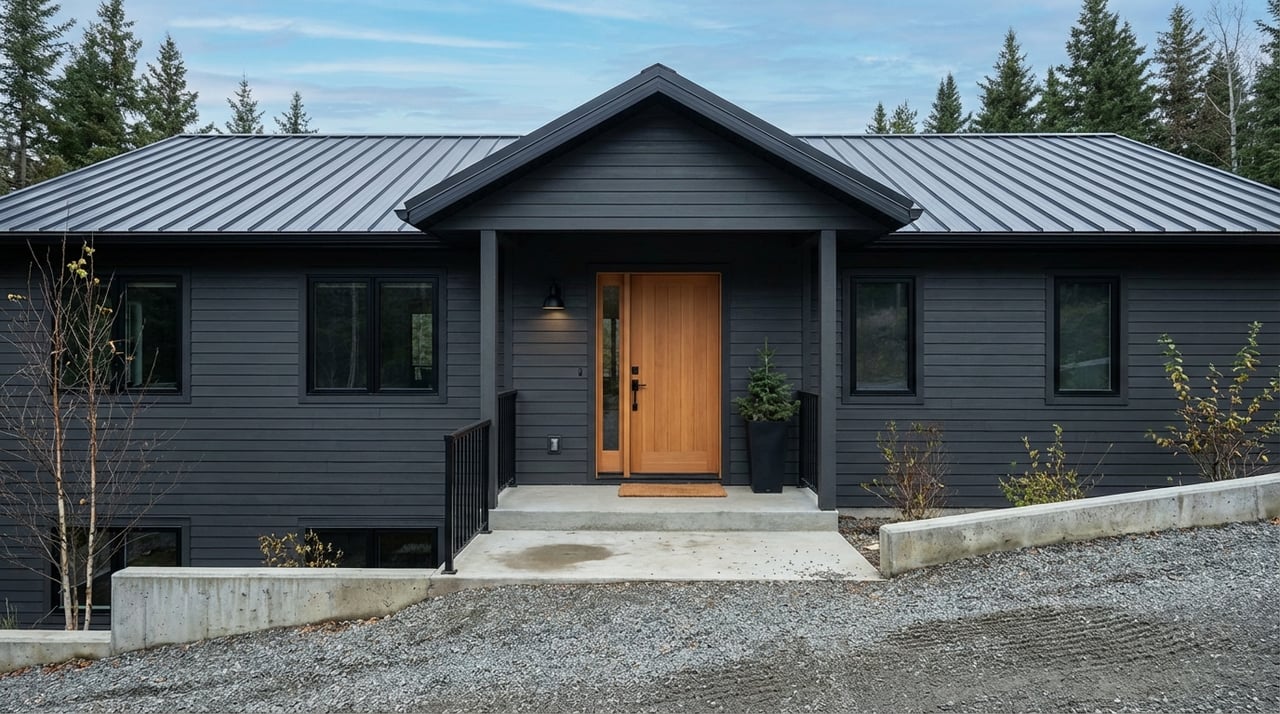
Selling on Anchorage’s Hillside is different. The views, the trees, the slopes, and the snow all shape what buyers notice first. If you prepare with those details in mind, you can attract stronger offers and move through inspections with fewer surprises. This guide walks you through Mid‑Hillside specifics so you can list with confidence, market the setting well, and answer buyer questions before they ask. Let’s dive in.
Know Mid‑Hillside buyer priorities
Mid‑Hillside attracts outdoor‑minded buyers who value wooded lots, custom homes, and access to trails and Chugach views. Local market snapshots show Mid‑Hillside often lists at higher price points than many Anchorage neighborhoods with moderate days on market, so presentation and documentation matter. See a neighborhood overview for context in the Mid‑Hillside area from a local source that highlights its setting and character here.
One major local factor: many Hillside homes rely on private wells and on‑site wastewater systems. Municipal planning documents note that a majority of Hillside residences use on‑site water and septic, and that extending public sewer to remote lots can be costly and limited by a defined perimeter. Treat well and septic status as a material fact in your listing and buyer packet. Review the municipality’s Hillside water and wastewater guidance here.
Confirm utilities and access
- Water and wastewater: Gather well test results and septic inspection or service records before you list. Buyers expect to see recent documentation on potable water quality and wastewater performance in Hillside locations. The municipal plan details why on‑site systems are common in this area and why buyers will ask about them. It also explains why municipal sewer hookups can be expensive, sometimes tens of thousands to more than $200,000 per lot depending on distance and terrain. Use that context to guide your disclosures and your negotiation strategy. Reference the Hillside District Plan’s water and wastewater chapter here.
- Road maintenance: Many Hillside streets fall under Limited Road Service Areas. LRSAs provide limited grading, ditching, culvert work, and winter service through local budgets and contractors. Disclose your road’s service area and typical maintenance. If winter showings are likely, consider a private driveway plow contract and keep proof of that arrangement for buyers. Learn what an LRSA is and how it operates here.
Tackle slope and hazards
Mid‑Hillside’s setting is part of its appeal, but slopes and seismic history mean buyers will ask how your site handles drainage and stability. U.S. Geological Survey hazard maps identify areas of elevated seismic landslide susceptibility across the Hillside foothills. If your property is on or near a steep slope, has retaining walls, or shows erosion, schedule a geotechnical review and request a brief letter explaining observed conditions. You can explore the USGS mapping work for Anchorage Hillside here.
If your home sits below steep terrain or near avalanche paths, buyers may ask about winter exposure. The Chugach National Forest Avalanche Information Center provides regional advisories you can reference to answer basic questions about steep terrain near Anchorage. Learn more about CNFAIC’s mission and resources here.
Wildfire is another regional factor. The Anchorage Fire Department’s Community Wildfire Protection Plan highlights hillside exposure in the wildland‑urban interface and recommends defensible‑space practices. Thinning ground fuels, pruning lower branches, and clearing vegetation under decks are smart, marketable steps. See municipal wildfire planning guidance here.
Hillside curb appeal tips
First impressions start outdoors in Mid‑Hillside.
- Frame the view: Selectively trim limbs and underbrush to open up view corridors from main living areas and the deck. You do not need to clear cut. Keep the natural Hillside feel buyers expect. If you plan extensive tree work or ridgeline changes, check municipal hillside design guidance first.
- Refresh decks and rails: Repair boards, secure railings, and restain during the late spring to summer window. Weather and freeze‑thaw cycles make this timeline important for both safety and photos.
- Simplify access: Create a clear, well‑marked path from the road to the front door. For winter showings, maintain one consistently cleared route plus a small turnaround or parking pad. If your road is LRSA‑maintained with narrower plowing, a private plow contract can be the difference between a missed showing and a safe visit.
Mechanical and safety records
Provide simple documentation buyers can trust.
- Heating: Share recent service records for the furnace or boiler. Cold‑climate buyers expect proof of maintenance.
- Water and septic: Include well pump service, well water test results, septic inspection and pumping receipts, or cluster‑system contracts. The Hillside planning guidance treats these as key to water quality and buyer confidence. See that context here.
- Roof and snow load: If you have large spans or a history of deep snow, include a recent roof inspection and any snow‑load mitigation documentation. Local reports highlight the reality of heavy snow years in Alaska, so having answers ready helps. Read a regional discussion of snow load concerns here.
Winter listing game plan
Winter listings succeed on the Hillside when access and comfort are obvious.
- Keep the entry safe: Shovel and sand a single entry path, mark edges and steps with tall driveway markers, and keep outdoor lights bright. Buyers judge safety fast.
- Warm the interior: Stage with warm textures, keep the home at a comfortable temperature, and turn on all lights for showings and photos.
- Document plowing: Note who plows the road and the driveway. If you have a standing contract, add it to your listing packet. Buyers appreciate clear expectations on winter access.
Marketing that sells the setting
Great Hillside marketing shows the view, clarifies the site, and answers utility questions.
- Photos that matter: Lead with the main living room and its principal view, then the deck or patio with the same view, followed by a clean driveway and front approach. Include context shots that show lot size and approach roads. Buyers rely heavily on listing photos when deciding to tour. See smart photo sequencing and planning tips here.
- Season‑accurate images: If you list in winter, use crisp winter images. Do not mix in peak‑summer exterior photos that might feel misleading.
- Aerials with rules: Drone photos and video can showcase large lots, trail proximity, and panoramic views. Hire an FAA Part 107 certified pilot and follow airspace rules, registration, Remote ID, and any state park or Chugach restrictions. Learn about commercial drone requirements from the FAA here.
- Virtual tours and floor plans: A 3‑D tour and a simple floor plan support out‑of‑state and military buyers and help filter serious interest before showings.
- Copy that answers questions: In your remarks, highlight dominant view direction, proximity to Glen Alps or other Chugach trailheads, LRSA status, well and septic maintenance history, and any recent geotechnical or septic inspections. This reduces back‑and‑forth and builds trust.
Time your launch
Anchorage buyer traffic tends to rise from late spring into mid‑summer. If exterior spaces and views are your strengths, aim for late April through July for photography and your go‑live date. Longer daylight and better weather can boost online performance. Winter listings can still perform well with strong interior staging and accurate pricing. For seasonal timing insights, see a summary of national listing patterns that align with local experience here.
Permits and paperwork
Before listing, pull together any permits and receipts tied to exterior work. Retaining walls, large grading, driveway widening, or new culverts may require Municipality of Anchorage permits or LRSA approvals. If you plan significant tree removal or work near a ridgeline, check municipal hillside design guidance first. Keep copies of approvals and final inspections in your disclosure packet. See the Hillside planning context for site work and utilities here.
Your pre‑listing team
Depending on your site and systems, it can help to consult:
- Geotechnical engineer for slopes or retaining walls
- Licensed septic designer or pumping service
- A water testing lab for well analysis
- A plumbing or AWWU consultant if you are exploring a future municipal hookup petition
- Your local LRSA board contact or service coordinator for road history
- An FAA‑certified Part 107 drone pilot for aerials
Quick checklist
- Documents to provide:
- Recent well water test results
- Septic inspection report or proof of service
- Heating system service records
- Roof or attic inspection and any snow‑load mitigation notes
- Geotechnical letter if on a slope or using retaining walls
- LRSA road‑maintenance note and driveway plow details
- Clear photos that show safe winter access
- Photo and marketing plan:
- Twilight hero exterior
- Interior shot of the main living area with view
- Deck or outdoor living photo with view
- Aerial overview by a certified pilot
- Floor plan and 3‑D tour
- Timing tips:
- If possible, schedule exterior work and photography for late April to July
- For winter listings, lean on warm staging, safe access, and honest, season‑accurate photos
Ready to sell with confidence?
Selling a Mid‑Hillside home is about clarity and presentation. Show the view, prove the systems, explain the access, and market the setting with care. If you want a local plan tailored to your property and a marketing package built for Hillside buyers, reach out to Emma Shibe. She brings neighborhood‑level expertise, credentialed guidance, and full‑service support to help you move forward with confidence.
FAQs
Do Mid‑Hillside buyers accept well and septic systems?
- Yes. Many Hillside homes use private wells and on‑site wastewater. Buyers expect clear maintenance records and recent testing. See the municipality’s Hillside water and wastewater context here.
What should I do about slope or retaining walls before listing in Anchorage?
- If your home sits near a steep slope or has visible erosion or retaining structures, consider a geotechnical review and a short letter summarizing conditions. USGS landslide mapping supports this as a prudent step in Hillside areas. Explore the mapping overview here.
Who plows Mid‑Hillside roads and my driveway in winter?
- Many Hillside streets are in LRSAs that manage limited road service via local budgets and contractors. Driveways are usually privately plowed. Disclose your LRSA status and any driveway plow contract. Learn about LRSAs here.
Can I use a drone to market my Hillside property near Chugach State Park?
- Yes, if you hire an FAA Part 107 certified pilot and follow FAA rules, registration, Remote ID, airspace authorizations, and any park restrictions. See FAA commercial UAS guidance here.
When is the best time to list a Mid‑Hillside home for top interest?
- Late spring through mid‑summer often brings higher buyer traffic and better exterior photography conditions. Winter listings can still succeed with strong interior focus and honest, season‑correct marketing. See timing insights here.
