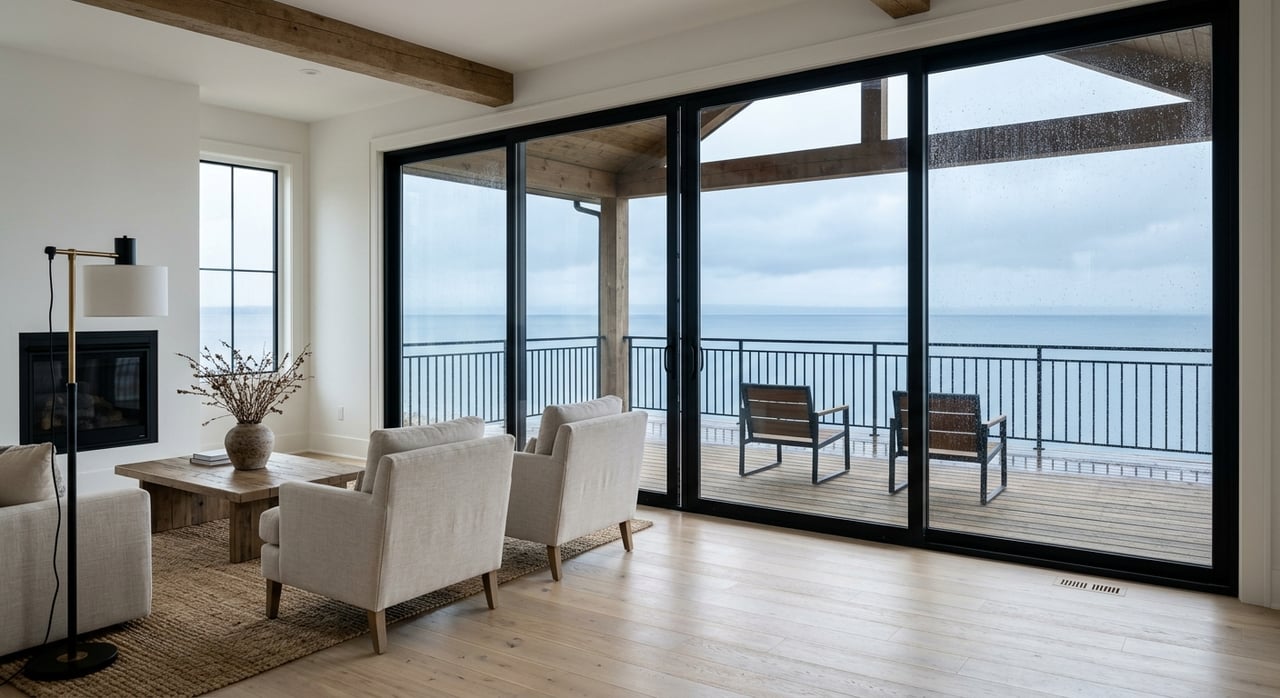
Looking for waterfront or view property in South Anchorage can feel exciting and a little tricky at the same time. What counts as “waterfront” here is not always a long stretch of beach, and not every “view” home delivers the same experience once you look closely at orientation, privacy, and upkeep. If you want to buy with confidence, it helps to understand where this lifestyle inventory tends to cluster, what to evaluate on each lot, and which due-diligence steps matter most. Let’s dive in.
Where waterfront and view homes cluster
South Anchorage is not one single, uniform market for this kind of property. The main areas that stand out for waterfront or view buyers are South Addition, the Hillside neighborhoods, Sand Lake and Bayshore, and Spenard and Turnagain.
Each area offers a different version of the lifestyle. In South Addition, the setting is shaped by Cook Inlet, Westchester Lagoon, and Chester Creek Trail. In the Hillside, elevation, trees, and larger lots can create sweeping city-facing views. Sand Lake and Bayshore are more connected to lakes, waterways, and coastal-refuge access, while Spenard and Turnagain bring in places like the Coastal Trail, Lake Hood, Lake Spenard, Point Woronzof, and Earthquake Park.
For many buyers, that means “waterfront” in South Anchorage often includes lake, lagoon, inlet, or trail-adjacent settings rather than one continuous shoreline. The same goes for views. One home may focus on Cook Inlet sunsets, while another highlights the Chugach front, city lights, or a quieter natural corridor with wildlife and trails.
Why subarea matters more than the label
A neighborhood name only tells part of the story. In South Anchorage, the exact subarea often matters more than the broad label when you are trying to judge the value of a water setting or a view.
Two homes in the same general area can live very differently day to day. One may feel open and scenic, while another may feel more private but less panoramic. That difference often comes down to the lot, the surrounding homes, and what the property actually faces.
This is especially important in a market where view inventory is limited. When there are only a small number of true view listings available, buyers tend to pay closer attention to details like a protected sight line, a stronger orientation, or better privacy from neighbors.
Evaluate lot orientation carefully
Orientation is one of the most important buyer essentials for this type of home. It shapes what you see from the main living spaces, how much natural light you get, and how exposed the property feels.
In South Addition, the historic street grid, neighboring rooflines, side yards, and setbacks can all affect what your view looks like from inside the home. A listing may mention an inlet setting, but your actual experience can depend heavily on the placement of nearby structures.
On the Hillside, the same square footage can feel completely different depending on elevation and tree cover. One lot may offer broad city-facing sight lines, while another feels more buffered and secluded. If you are buying for the view, it is worth checking the outlook from the rooms and outdoor spaces you will use most.
Questions to ask on every tour
- What does the home actually face?
- Which rooms capture the best view?
- How much privacy do you have from neighboring windows or decks?
- Do trees, fences, or nearby buildings block light or sight lines?
- Could nearby infill or additions affect the current view experience?
Architectural fit affects long-term enjoyment
A great view is not the only thing to judge. In several South Anchorage micro-markets, the style and scale of the home, and how it fits the block or setting, can affect both daily enjoyment and long-term value.
South Addition is a good example. Its housing includes older Craftsman homes, log cabins, ranch homes, and newer contemporary infill. Municipal planning guidance for the area emphasizes scale, character, setbacks, and ground-area coverage, which means buyers should pay attention not just to the panorama but also to how the structure fits its surroundings.
That matters for practical reasons. A home that feels well-suited to the block may hold its appeal better over time, while future infill nearby could influence privacy, light, or openness. When inventory is limited, these details can become meaningful resale factors.
Prepare for a different maintenance profile
Waterfront and view living in Anchorage often comes with extra maintenance considerations. The scenery can be a major benefit, but exposure to weather, drainage patterns, and site conditions may require a more careful review than a standard lot.
The Municipality of Anchorage notes that streams, rivers, lakes, and coastal areas can be susceptible to flooding. Coastal areas can also experience flooding from extreme high tides. In the Hillside, local planning documents describe drainage, erosion, glaciation, and runoff as chronic issues.
South Addition also has a significant geologic history, including severe earthquake damage and the L Street Slide area. For buyers, that is a reminder to take slope, bluff, and setback issues seriously rather than treating them as background information.
Maintenance items to review closely
- Drainage around the lot and foundation
- Signs of erosion or runoff patterns
- Retaining walls and site stabilization features
- Roof exposure and wear
- Water intrusion history
- Slope or bluff-related concerns
- Any past or current flooding issues
Understand permits, flooding, and insurance
If a property is near water or in a sensitive area, improvements may involve extra rules. The Municipality says floodplain work can require permits, so buyers should understand whether past work was done properly and whether future projects may need additional review.
Insurance also deserves special attention in Alaska. The Alaska Division of Insurance states that most homeowners policies do not cover earthquake damage, which means separate earthquake coverage may be needed. That is especially relevant when you are considering homes with slope, bluff, or other site-specific exposure.
This does not mean every waterfront or view property is a problem. It means you should go in with a clear picture of the home’s location, condition, and risk profile before you commit.
Make inspections more targeted
In Alaska, sellers are required to provide the Residential Real Property Transfer Disclosure Statement before a written offer. State guidance also tells buyers to inspect carefully and consider hiring an expert inspector.
For a South Anchorage waterfront or view home, a standard walk-through is only the starting point. Your inspection approach should match the property’s setting. If the lot has drainage challenges, slopes, retaining walls, or a history of water exposure, those issues should be reviewed closely.
Focus your due diligence on these areas
- Site drainage and runoff handling
- Foundation and structural movement concerns
- Retaining walls and grading
- Roof condition and weather exposure
- Evidence of moisture or water intrusion
- Exterior wear tied to wind, snow, or location
- Seller disclosures that mention repairs, movement, or prior damage
Review HOA rules before you buy
Association-governed properties are part of this market, especially because South Anchorage includes condo inventory. If you are considering a condo or any home with an HOA, the association documents can affect both your monthly costs and what you can do with the property.
In Alaska, community association materials and regulations point buyers toward key issues like budgets, insurance, maintenance, repairs, reserve accounts, bylaws, and association procedures. For a view or waterfront property, that can also extend to architectural rules around decks, fencing, exterior colors, and landscaping.
Before you move forward, make sure the HOA works with your goals. If your lifestyle depends on preserving an outdoor space, updating exterior features, or understanding long-term costs, the documents deserve a careful read.
HOA items to check
- Monthly dues and what they cover
- Reserve funding and upcoming major repairs
- Insurance responsibilities
- Rules for exterior changes
- Maintenance obligations for owners versus the association
- Limits that could affect decks, fences, or landscaping
Expect a thin but active market
Current data points to a South Anchorage market with limited view inventory and active competition. Redfin reports that over the three months ending April 2026, the median sale price was $409,848, median days on market were 19, and 30.7 percent of homes sold above list price.
Realtor.com’s current neighborhood snapshot shows a $600,000 median sale price, 69 days on market, and 19 active listings. The numbers differ, likely because the sources use different methods and time windows, but the practical takeaway is similar. Buyers should expect a relatively thin inventory pool, especially for homes with strong view appeal.
Redfin’s view-only search showed just four homes with a view for sale at a median listing price of $563,000. That is a small sample, but it reinforces an important point: premiums are often property-specific, and the best view homes do not always track neatly with neighborhood averages.
Move quickly, but stay disciplined
In a market with limited lifestyle inventory, speed matters. Redfin notes that some South Anchorage homes receive multiple offers and that hot homes can go pending in about four days.
That kind of pace can tempt buyers to skip steps, but that is usually where problems start. It is better to tour with a clear checklist, compare orientation and maintenance exposure carefully, and understand the carrying costs before you write an offer.
A disciplined process can help you compete without losing sight of what matters most. In a thin market, the winning choice is not always the first home with a nice photo. It is the one that balances setting, condition, privacy, and resale appeal.
A smart buyer checklist
If you are shopping for waterfront or view living in South Anchorage, keep this short checklist with you:
- Confirm which micro-market the home is actually in
- Evaluate what the home faces, not just the listing description
- Check privacy, neighboring rooflines, and possible future infill effects
- Review drainage, slope, erosion, and water-intrusion risks
- Ask about permits for any floodplain or site-related work
- Consider whether separate earthquake insurance may be needed
- Read seller disclosures closely before writing
- Review HOA documents if the property is association-governed
- Compare the home’s unique view value, not just neighborhood averages
- Be ready to act quickly when a strong fit appears
Buying a waterfront or view home in South Anchorage can be incredibly rewarding when you match the setting to your real priorities. The key is to look past broad labels and focus on the lot, orientation, maintenance profile, and long-term usability of the home. If you want clear, neighborhood-level guidance as you compare South Addition, Hillside, Sand Lake, Bayshore, or Turnagain-area options, Emma Shibe can help you evaluate the details and move forward with confidence.
FAQs
What counts as waterfront property in South Anchorage?
- In South Anchorage, waterfront often means a home near a lake, lagoon, inlet, or water-adjacent setting rather than a single continuous beach shoreline.
Which South Anchorage areas are known for view homes?
- The main South Anchorage areas tied to waterfront or view living are South Addition, the Hillside neighborhoods, Sand Lake and Bayshore, and Spenard and Turnagain.
Why does lot orientation matter for South Anchorage view homes?
- Lot orientation affects what your main rooms face, how much privacy you have, how much light enters the home, and whether trees, rooflines, or nearby homes change the actual view experience.
What maintenance issues should buyers watch for in South Anchorage waterfront or view homes?
- Buyers should pay close attention to drainage, erosion, runoff, retaining walls, roof exposure, slope conditions, and any history of water intrusion or flooding.
Do South Anchorage buyers need earthquake insurance for view or waterfront homes?
- Alaska’s Division of Insurance says most homeowners policies do not cover earthquake damage, so buyers should review whether separate earthquake coverage is appropriate for the property they are considering.
What disclosures should buyers expect for a South Anchorage home purchase?
- In Alaska, sellers must provide the Residential Real Property Transfer Disclosure Statement before a written offer, and buyers are encouraged to inspect carefully and consider expert inspection support.
Are HOAs common in South Anchorage view properties?
- Association-governed properties are part of the South Anchorage market, especially with condo inventory, so buyers should review dues, reserves, insurance, maintenance obligations, and architectural rules.
Is the South Anchorage view-home market competitive?
- Yes. Available data shows limited view inventory, some homes selling above list price, and certain hot homes going pending in just a few days.
